
Knife blade sabong is a regulated form of cockfighting associated with specific equipment and match procedures. For readers following sabong content through 747LIVE, understanding the rules, inspections, event standards, and legal framework is essential. This guide explains the basics in a clear format, focusing on official requirements, responsible participation, safety awareness, and the importance of checking current regulations before attending, participating in, or betting on a match.
What Is a Knife Blade Sabong?
Knife blade sabong refers to an organized cockfighting format involving regulated blade equipment and specific match procedures. Unlike traditional sabong, it may include additional requirements for equipment inspection, participant conduct, referee supervision, and event management. Exact rules vary by venue, organizer, competition format, and local jurisdiction.
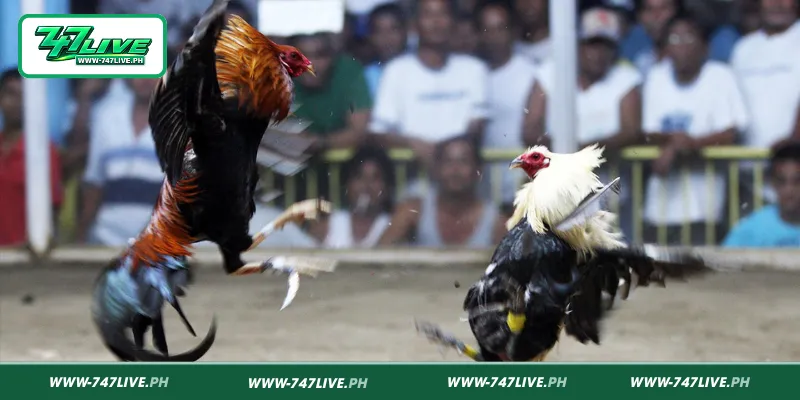
For those researching Knife blade sabong, equipment specifications are typically established by event authorities. Official procedures determine permitted equipment, inspection requirements, and responsible personnel. Participants should follow these standards rather than modify or improvise equipment independently.
The format may also appear in online coverage through platforms such as 747LIVE, where users can follow schedules, match details, results, or livestreams. However, online coverage does not replace official event regulations. Legal requirements also differ between locations, so readers should check current local rules and focus on responsible viewing and authorized information.
Key Factors to Know Before a Sabong Match
Before a match begins, several elements can influence how the event is organized and supervised. The following areas help readers understand what typically matters before competition starts. While exact requirements vary, checking official information, confirming inspection procedures, and reviewing event rules are three practical steps. For Knife blade sabong, these details help distinguish authorized competition standards from informal or outdated information.
Blade Specifications and Match Requirements
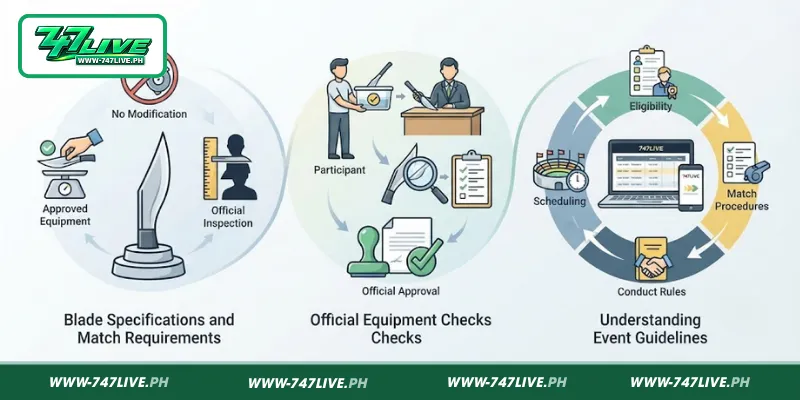
Specifications for Knife blade sabong equipment are set by the event organizer or governing authority. Since requirements may vary between competitions, participants should check official rules for approved equipment, inspection procedures, eligibility, and match conditions.
The main considerations include 3 factors: approved equipment, official inspection, and compliance with event rules. Participants should not independently modify, sharpen, manufacture, or alter regulated equipment. Items that fail inspection or do not meet published standards may be rejected by officials.
Official Equipment Checks
Official checks help determine whether equipment complies with the requirements of a specific event. A basic process may include 3 stages: presenting the equipment, verifying compliance, and receiving approval. The exact procedure depends on the organizer and venue.
These checks help maintain consistent standards between competitors. Damaged or unauthorized equipment may be refused, and participants should follow official decisions rather than making independent adjustments.
Understanding Event Guidelines
Event guidelines for Knife blade sabong may cover participant eligibility, registration, equipment checks, referee authority, scheduling, and conduct. Before attending, participants should review 4 key areas: eligibility, equipment requirements, match procedures, and conduct rules.
For viewers using 747LIVE or similar platforms, published match details can provide useful background. However, platform information should not replace official event rules or applicable local legislation.
How Knife Blade Sabong Matches Are Regulated
Regulation provides the structure that keeps an organized match consistent from preparation through completion. For Knife blade sabong, the regulatory framework can involve equipment approval, participant eligibility, referee supervision, venue requirements, and local legal conditions. Because rules differ between jurisdictions, readers should avoid assuming that procedures from one event automatically apply to another.
The following points summarize the main areas commonly considered in organized competitions:
- Pre-match preparation: Participants complete the procedures required before entering competition.
- Equipment inspection: Authorized officials assess relevant equipment according to the event’s published standards.
- Participant verification: Organizers may confirm registration, eligibility, or other required details before a match.
- Official supervision: Referees and event staff oversee the bout and apply the established rules.
- Match procedures: Participants must follow the competition format, timing requirements, and official instructions.
- Conduct standards: Participants and spectators are expected to behave according to venue policies.
- Restricted areas: Access to competition and equipment areas may be limited to authorized personnel.
- Official decisions: Referee and organizer rulings should be handled through the procedures established by the event.
- Match records: Results and relevant event information may be recorded for administrative purposes.
- Online coverage: Digital platforms may provide schedules, livestreams, or results but do not replace official event authorities.
- Rule updates: Participants should review the latest published requirements because event policies can change.
- Local compliance: Events must operate according to the laws applicable to their jurisdiction.
Safety and Legal Aspects of Knife Blade Sabong
Safety and legality are essential considerations when discussing Knife blade sabong, particularly because the format can involve specialized equipment and animal-welfare concerns. Regulations can differ significantly between jurisdictions, so participants and spectators should verify current requirements before becoming involved. The following principles provide a general framework for responsible awareness without replacing official legal or event guidance.
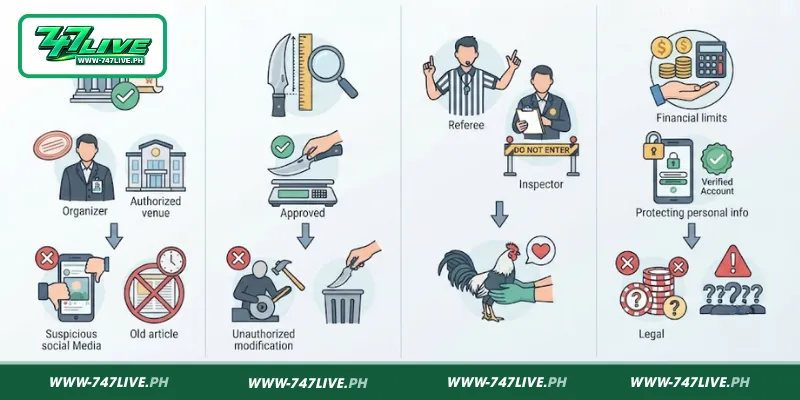
- Check local laws: Confirm whether the relevant form of sabong is permitted in the applicable location.
- Verify event authorization: Use information from recognized organizers or authorized venues rather than informal sources.
- Follow inspection rules: Equipment should only be used when it meets the event’s established requirements.
- Avoid unauthorized modifications: Participants should not independently alter regulated equipment.
- Respect restricted areas: Do not enter competition or equipment zones without authorization.
- Follow official instructions: Referees, inspectors, and event staff should be treated as the primary authorities during competition.
- Prioritize animal welfare: Follow applicable animal-protection standards and event requirements.
- Protect personal information: When using online platforms, access official channels and protect account credentials.
- Check betting legality: Where wagering is available, confirm that it is legally permitted in the relevant jurisdiction.
- Set financial limits: Betting should remain within a predetermined entertainment budget where legally permitted.
- Avoid suspicious information: Unverified social media posts should not be treated as authoritative legal or event guidance.
- Review current rules: Regulations can change, so old articles may not accurately reflect present requirements.
Conclusion
Knife blade sabong involves a structured match format where equipment requirements, official inspections, event guidelines, and local regulations can all play important roles. Understanding these elements helps readers interpret sabong coverage more responsibly. Before attending, participating, or betting, verify current rules, use authorized channels, respect safety requirements, and remain aware that regulations vary significantly between jurisdictions.
